
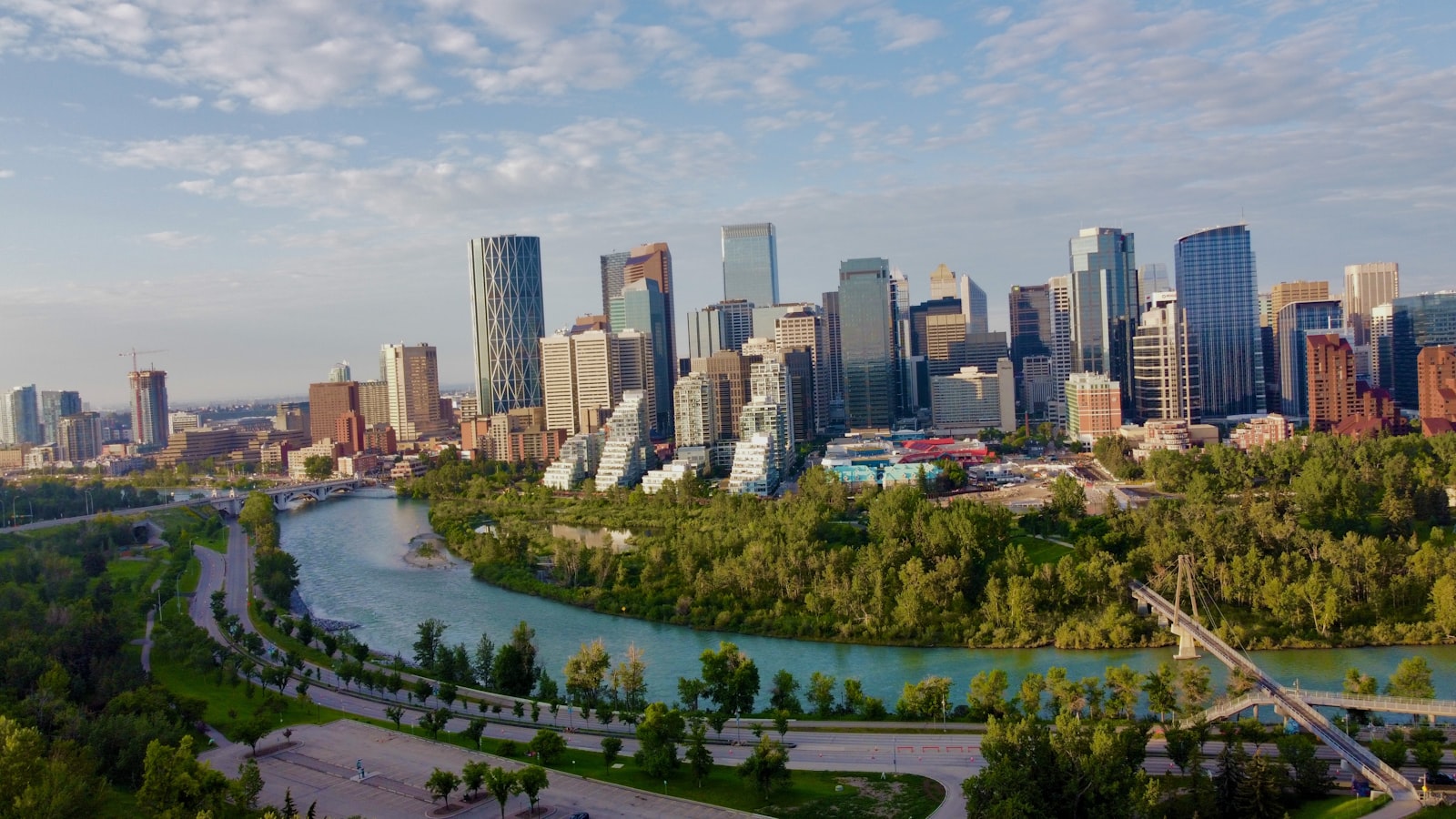
Not long ago, the towers along Stephen Avenue and 8th Avenue SW went dark by 6 p.m., their floors of vacant desks a lingering souvenir of the 2015 oil price crash and the work-from-home shift that followed. That story is changing fast. Cranes, drywall, and moving trucks have replaced empty cubicles in more than a dozen downtown buildings, and Calgary's skyline is quietly becoming one of the most closely watched urban transformation stories in North America.
For homebuyers and investors, this shift is opening up a category of housing that simply didn't exist in downtown Calgary five years ago: spacious, character-filled condos carved out of former office towers, often at price points that look increasingly attractive against a softening condo market. Here's what the latest data says about how far the transformation has come, and what it means if you're thinking about buying downtown.
Downtown Calgary, where more than a dozen former office towers are being converted into homes, hotels, and student housing.
The Numbers Behind the Shift
Calgary's Downtown Office Conversion Program launched in 2021 as a response to the city's stubbornly high office vacancy rate. Five years in, the results are becoming visible on the skyline itself:
- 21 conversion projects have been approved for incentive funding since the program began
- 8 projects are fully complete, having welcomed nearly 800 new residents and added 226 hotel rooms downtown
- 2.7 million square feet of vacant office space has been removed from the market so far, roughly halfway to the city's 10-year goal of 6 million square feet
- Over 2,600 residential units are planned in total across all approved projects once every conversion is finished
- $75 per square foot is the current City incentive rate for residential and hotel conversions, up from $60 when the program launched
- For every dollar the City has invested, roughly $3 in private capital has followed, totalling more than $567 million in leveraged investment
On the vacancy side, the picture is improving but still tells a story of a market with room to run. CBRE reported downtown office vacancy at 30.4% by the end of 2025, down from a peak of roughly 34% in 2021. Some local brokerages, including Barclay Street Real Estate, calculate the figure differently and put truly vacant (versus merely "available") space closer to 21%, arguing the recovery is further along than the headline number suggests.
Why Now? A New Round of Funding and New Uses
The City reopened its incentive program for a new funding round in the summer of 2026, making $25 million available to developers between June 15 and July 27. What's notable is how much the eligible use list has expanded. Alongside the multi-residential condo and rental conversions that kicked off the program, the 2026 round added incentives for student housing, seniors housing, co-living developments, life sciences space, self-storage, K-12 schools, and performing arts and cultural venues.
"Five years into a ten-year plan, we're nearly halfway to our goal of removing 6 million square feet," said Thom Mahler, the City's Director of Downtown Strategy, of the program's progress. Calgary Economic Development CEO Brad Parry has pointed to a similar theme of measured, steady momentum, describing the recovery as coming in "ten-thousand, twenty, thirty, fifty-thousand square foot chunks" rather than one dramatic turnaround.

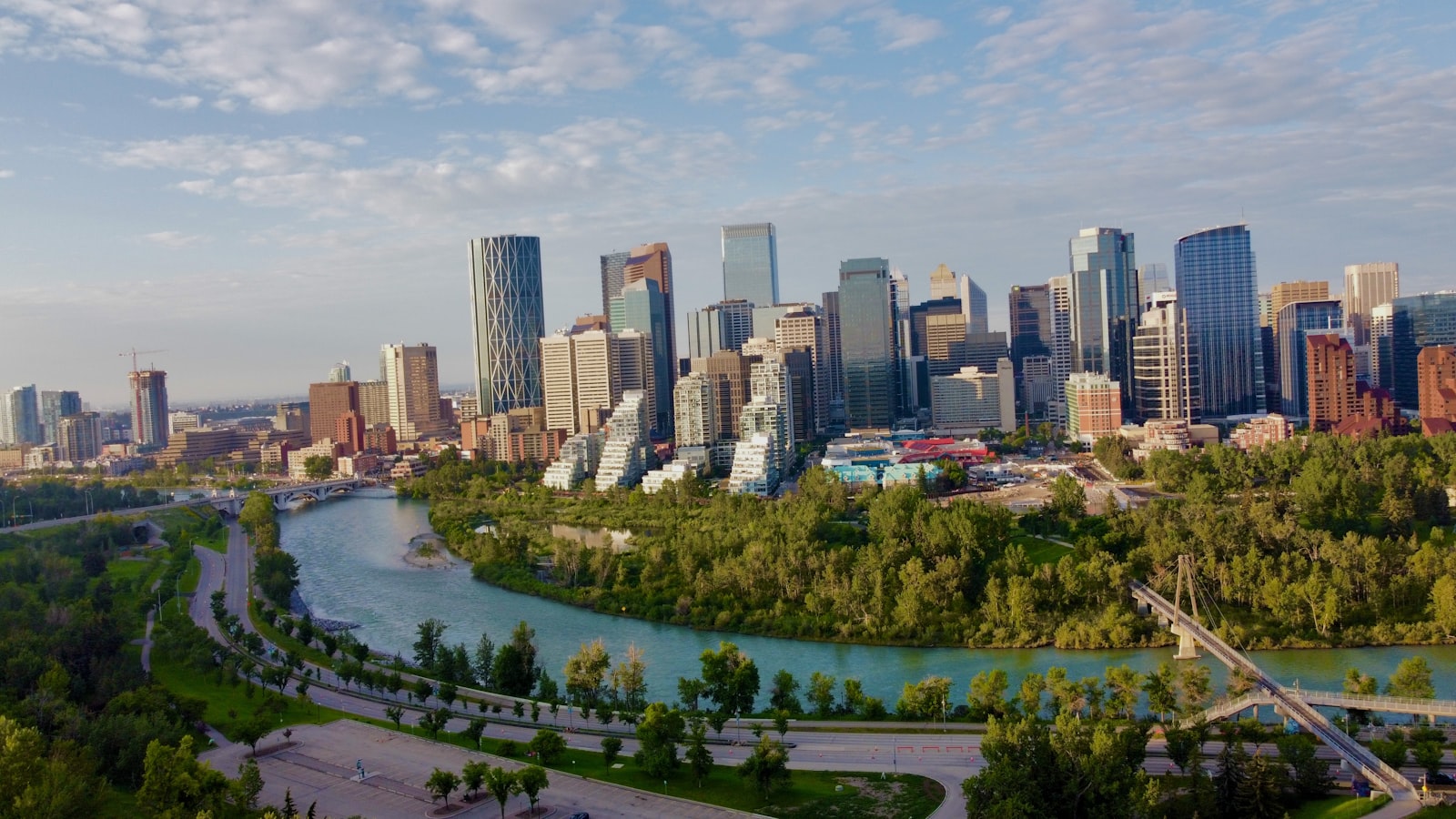
Office towers and residential high-rises now share the downtown Calgary skyline as conversions accelerate.
What It Means for Buyers and Investors
Here's where the story gets interesting for anyone house-hunting in Calgary right now. At the same time downtown is adding new, often architecturally distinctive housing stock, the broader Calgary condo market has softened considerably. CREB reported the unadjusted apartment condominium benchmark price at $297,600 in July 2026, down 8% year-over-year and 13% below the 2024 peak, with roughly 17,000 apartment-style units still under construction citywide adding to supply.
For buyers, that combination, new downtown inventory arriving into a buyer's market, means more negotiating power and more choice than downtown Calgary has offered in years. For investors, converted office buildings tend to offer larger floor plates and higher ceilings than typical new-build condos, translating into layouts you won't find in a standard high-rise, often walking distance to the C-Train, the Bow River pathway system, and the core's restaurant and entertainment districts.
CBRE Vice President Michael Hoffman noted that "class 'A' buildings are outperforming the 'B' and 'C' class for tenants," a dynamic that's part of what's pushing older, less competitive office stock toward residential conversion rather than sitting vacant.
The Road Ahead
With the program now five years into its ten-year mandate and the 2026 funding round already closed to new applications, the next wave of completed conversions will play out over the next several years as the 13 approved-but-not-yet-finished projects work through construction. If the pace holds, downtown Calgary is on track to look, and function, meaningfully differently by the end of the decade: fewer dark towers, more residents walking to work, and a housing mix that didn't exist a decade ago.
Curious whether a converted downtown condo, or any Calgary property, fits your plans? The Estavio Real Estate team tracks these projects as they come to market and can walk you through what's available, what's still in the pipeline, and how the numbers stack up against other Calgary neighbourhoods. Get in touch with our team to talk through your options.
Sources: City of Calgary Downtown Strategy, CBRE Canadian Office Market Reports, CREB Monthly Market Statistics, Barclay Street Real Estate, Calgary Economic Development. Photos via Unsplash.
Posted by Sahil Chhabra on
Leave A Comment