
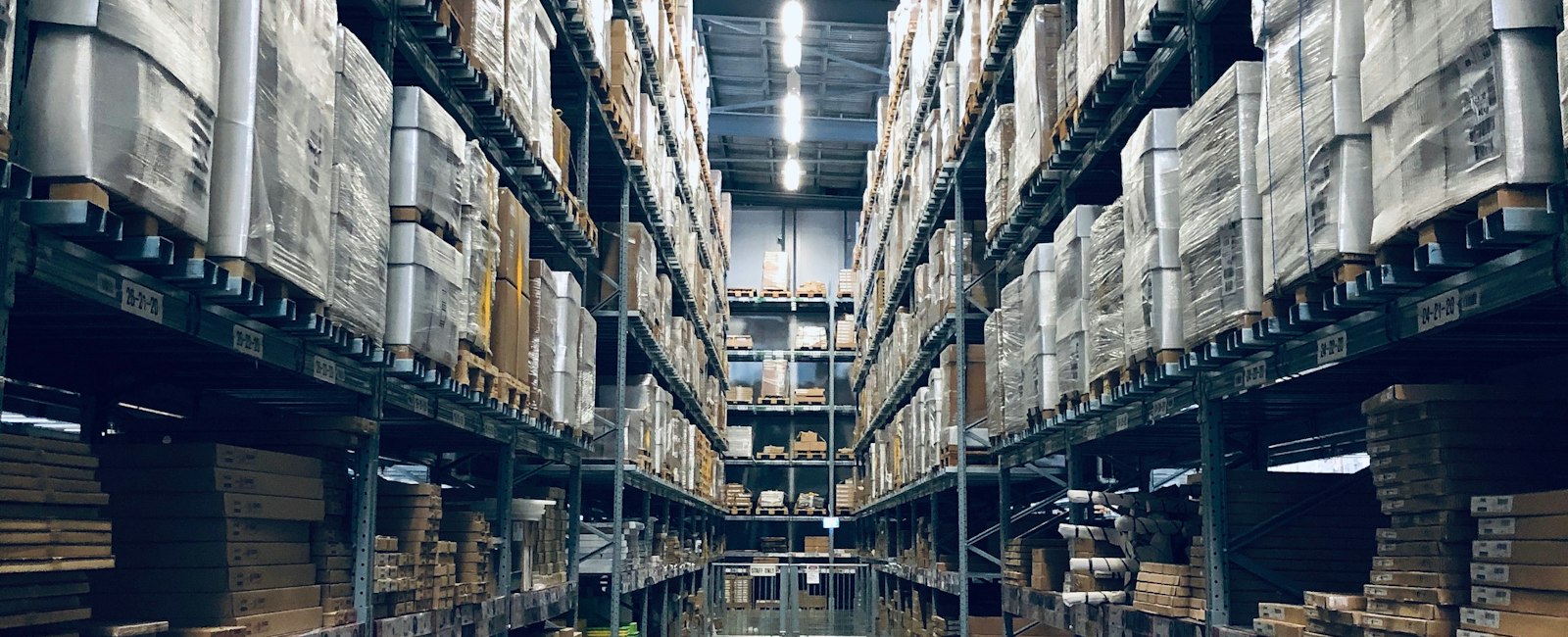
While residential buyers and downtown-condo investors get most of the headlines, a quieter corner of Calgary's commercial market has been posting some of the tightest vacancy and strongest rent growth in the country: industrial and warehouse space. Here's what investors need to know before they overlook it.

Why Industrial Real Estate Deserves a Second Look
Calgary's industrial sector has quietly become one of the strongest-performing commercial asset classes in Western Canada. Falling vacancy, rising net rents, and a construction pipeline that is mostly pre-leased before the concrete is even poured all point to sustained demand from logistics operators, manufacturers, and owner-users who need space close to the city's rail and highway infrastructure.
For investors weighing where to put capital next, industrial deserves a seat at the table alongside multi-family and retail , and in several respects, the fundamentals right now are stronger.
The Numbers: Calgary Industrial Market at a Glance
All figures below are drawn directly from Cushman & Wakefield's quarterly Calgary Industrial MarketBeat reports , the same consistent, third-party data series over four consecutive quarters , so the trend line is apples-to-apples.
| Metric | Q2 2025 | Q3 2025 | Q4 2025 | Q2 2026 |
|---|---|---|---|---|
| Total vacancy rate | 6.0% | 5.6% | 5.1% | 4.7% |
| Overall net asking rent | $10.55/sq ft | $10.32/sq ft | $10.48/sq ft | $10.68/sq ft |
| Quarterly net absorption | 1,025,000 sq ft | 469,951 sq ft | 652,463 sq ft | 515,791 sq ft |
| Space under construction | 1.396 million sq ft | 1.43 million sq ft | 7.81 million sq ft | 5.11 million sq ft |
| Total inventory | 159.3 million sq ft | 160.1 million sq ft | 160.7 million sq ft | 161.0 million sq ft |
Source: Cushman & Wakefield, Calgary Industrial MarketBeat, Q2 2025 – Q2 2026 (Q1 2026 omitted above as absorption that quarter was negative before rebounding in Q2; see the full Q1 2026 report for that detail).
The headline trend: vacancy has fallen for four straight quarters, from 6.0% in Q2 2025 to 4.7% in Q2 2026 , its lowest level since Q1 2024 , even as net asking rents have generally trended upward over the same period.
What's Driving the Demand

A few structural factors are behind the sustained strength in Calgary's industrial market:
Rail and logistics infrastructure. CN's Calgary Logistics Park in Rocky View County represents a C$200 million investment on 680 acres, with over 2.5 million square feet of warehousing and distribution space and an intermodal terminal offering roughly 30% more capacity than the facility it replaced. Positioned between the Ports of Prince Rupert and Vancouver, it gives Calgary-based distributors competitive transit times for Asian imports as well as strong outbound access for agricultural, forestry, and manufactured goods.
E-commerce and last-mile demand. Third-party logistics (3PL) providers and fulfillment operators have continued to lease space aggressively in Calgary, particularly in mid-bay and small-bay formats, as retailers push distribution closer to Western Canadian population centres.
Disciplined development. Unlike prior cycles, developers have leaned toward pre-leased and build-to-suit projects rather than speculative construction, which is part of why vacancy has stayed low even as new supply comes online.
Submarkets to Watch
Vacancy varies significantly by submarket, which matters for investors comparing entry points. As of Q4 2025 (the most recent quarter with a full submarket breakdown available), Cushman & Wakefield reported:
| Submarket | Q4 2025 Vacancy | Why It Matters for Investors |
|---|---|---|
| Central Calgary | 1.4% | Extremely tight supply; established, well-located industrial stock |
| Southeast Calgary | 4.8% | Largest submarket by inventory, strong highway access |
| Northeast Calgary | 6.9% | Highest vacancy but also home to most new supply and the CN Calgary Logistics Park corridor |
Source: Cushman & Wakefield, Calgary Industrial MarketBeat, Q4 2025.
What This Means for Investors

A vacancy rate under 5% , and falling for four consecutive quarters , is a strong signal on its own. It means landlords currently have pricing power, tenants are competing for limited space, and rent growth has room to continue if the construction pipeline (currently over 5 million square feet, much of it concentrated in the Northeast) doesn't outpace demand. For investors, that combination of tightening supply and infrastructure-backed demand is exactly the setup that tends to support long-term rent growth and resilient occupancy.
That said, industrial real estate isn't a fit for every investor. Entry price points, financing terms for commercial and industrial-zoned property, and lease structures (many industrial leases are triple-net) differ meaningfully from residential or even multi-family investing. It's worth a conversation with a commercial real estate advisor before deciding whether this asset class fits your portfolio and risk tolerance.
Talk to Estavio Group
If industrial and warehouse property is a category you're considering, Estavio Group's commercial team can walk you through current listings, submarket comparisons, and financing considerations specific to Calgary's industrial sector.
Ready to explore industrial investment opportunities in Calgary?
Book a Discovery CallSources:
Cushman & Wakefield, Calgary Industrial MarketBeat, Q2 2025, Q3 2025, Q4 2025, and Q2 2026 reports
CN Rail / Logistics Management, "CN's Calgary Logistics Park intermodal terminal is up and running"
Leave A Comment